Updated: July 2026
Morotai WWII Trail: Pacific Theatre History on a Forgotten Island
MacArthur landed here. So can you.
Morotai’s role in the Pacific war — and what’s left to see in 2026.
halmahera-heritage-diving/”>See the 7-day trip →
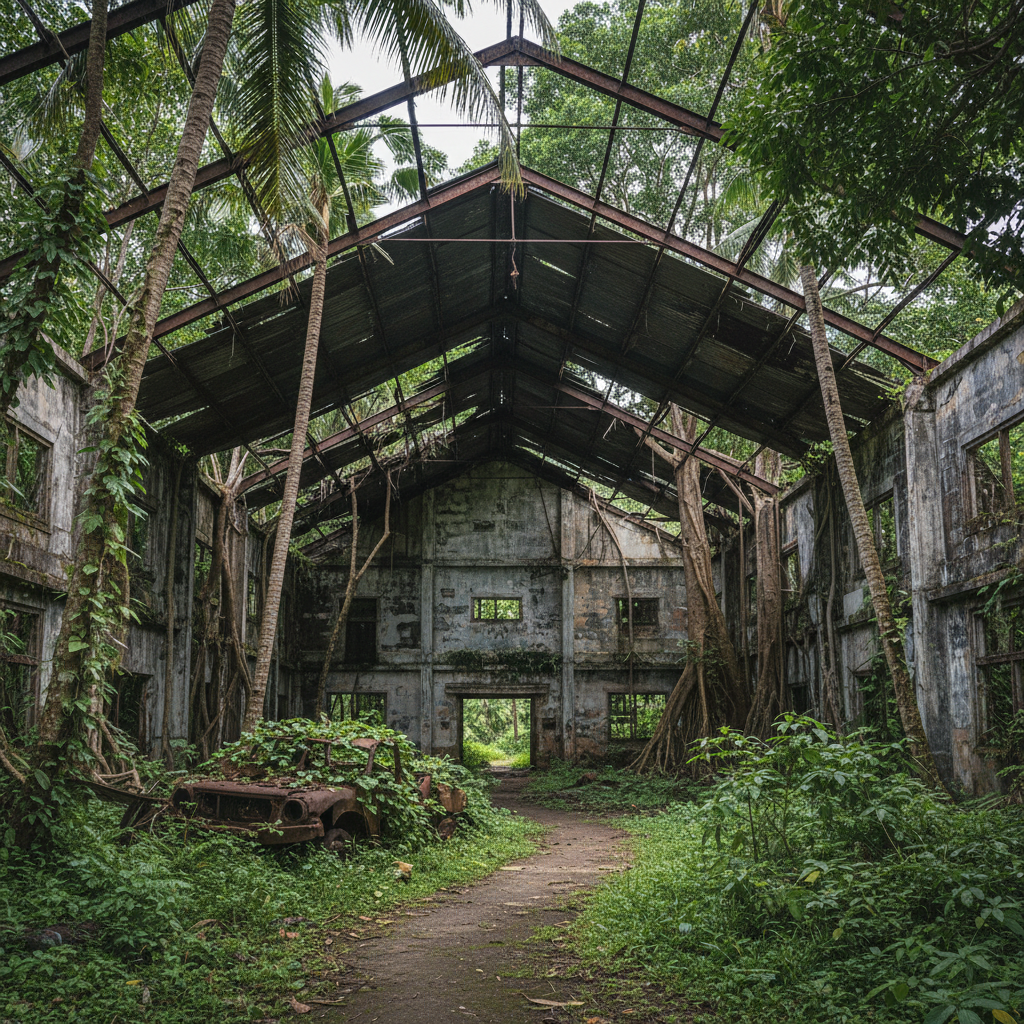
Morotai is a 1,800 km² island just north of Halmahera, lightly populated (~75,000 people). For most of its history it was a peripheral backwater. Then in September 1944, Allied forces under Douglas MacArthur landed here and turned it into a critical staging base for the Philippines campaign.
What was built here
In four months, US engineering battalions built two major airfields (Pitoe and Wama), a deepwater harbor, a 60,000-troop garrison, and a hospital. The base launched bomber and fighter raids deep into the southern Philippines. By war’s end, over 200,000 Allied personnel had passed through Morotai.
What’s still visible
Pitoe Airfield ruins. The original 7,000-foot runway is now overgrown but the bones are visible — concrete bunkers, anti-aircraft positions, fuel dumps. A small WWII Memorial museum at the airport displays artifacts.
Sum Sum aircraft graveyard. A small island off Morotai’s southwest coast where damaged aircraft were dumped post-war. Several Mitsubishi A6M Zeros (Japanese) and B-25 Mitchells (American) are visible at low tide. Snorkel access only — diving here is prohibited under Indonesian heritage law.
The Sultan’s hut at Daruba. Where MacArthur famously took shelter overnight after his beach landing. Restored, marked, free to visit.
Practical visit
Morotai is reachable by daily ferry from Tobelo (Halmahera) — 90-minute crossing, $4 each way. Once on the island, hire a local 4WD with English-speaking guide ($60-$80/day). The WWII Memorial museum is in Daruba, the main town.
Also worth: Dodola Island, a sandbar visible at low tide, accessed by speedboat from Daruba. Pristine snorkeling, no infrastructure. Bring food.
Staying overnight: Pondok D’Aloha resort at Daruba (basic, $35/night) or splurge at Hotel Royal Daruba ($85/night). Both have generator power; the grid is unreliable.
WWII history is a major focus of our trip
Day 3 of the 7-day route is dedicated to Morotai. Photographers + history buffs always rate this their favorite day.
Beyond the battlefield: Morotai’s natural splendor and marine wonders
Beyond the somber reflections of Morotai’s wartime past, a vibrant canvas of natural splendor unfurls, inviting the discerning traveler to discover an untouched paradise where history meets pristine beauty. This is an island defined not just by its pivotal role in the Pacific Theatre, but by its striking landscapes and the serene, turquoise embrace of its surrounding waters. Morotai, spanning approximately 1,800 square kilometers, offers a dramatic contrast to its historical narrative, revealing lush emerald jungles, cascading waterfalls, and miles of powdery white sand beaches fringed by swaying coconut palms. Imagine mornings spent strolling along deserted shores, the only footprints your own, followed by afternoons exploring verdant interiors that teem with unique flora and fauna, the island’s unspoiled ecosystem.
For the luxury traveler, Morotai’s true allure extends beneath the waves, into an underwater realm that rivals the world’s most celebrated dive destinations. While many come to witness the silent sentinels of WWII—aircraft wrecks and sunken vessels that serve as poignant artificial reefs—the island’s natural coral gardens are equally mesmerizing. Situated within the heart of the Coral Triangle, Morotai features an astonishing biodiversity, featuring vibrant hard and soft corals that form intricate ecosystems for an explosion of marine life. Encounter kaleidoscopic schools of reef fish, majestic sea turtles gliding gracefully, and the occasional reef shark patrolling its territory. Private dive charters offer exclusive access to these pristine sites, led by expert guides who reveal hidden grottoes and reveal the delicate balance of this underwater world, ensuring an intimate and memorable exploration for both seasoned divers and snorkelers.
The island’s commitment to sustainable tourism ensures that its natural treasures remain preserved for future generations, enhancing the luxury experience with a sense of responsible exploration. Boutique eco-resorts, often set discreetly along remote coastlines, provide an blend of comfort and immersion, offering panoramic ocean views and personalized service. Indulge in fresh, locally sourced seafood prepared with Indonesian flair, enjoy a sunset cocktail from a private veranda, or begin a bespoke island-hopping excursion to Morotai’s numerous uninhabited islets. These excursions, often aboard elegant traditional phinisi boats or modern yachts, offer opportunities for secluded picnics, private swimming in crystal-clear lagoons, and simply reveling in the profound tranquility that only a truly “forgotten” island can offer.
Halmahera’s hidden gems: A land of Spice Islands legacy and volcanic vistas
Just a short journey southwest of Morotai lies Halmahera, the largest island in the Maluku Islands, an expansive and rugged expanse covering around 17,780 square kilometers. This magnificent island, often overlooked in favor of its more famous neighbors, is a crucible of ancient history, dramatic volcanic landscapes, and natural beauty, making it a compelling addition to any luxury Indonesian itinerary. Halmahera was once a crucial player in the global spice trade, its rich volcanic soils yielding cloves and nutmeg that lured European powers for centuries. Today, remnants of this glorious past can be explored through ancient forts and charming colonial architecture in nearby Ternate and Tidore, offering a captivating glimpse into a bygone era of maritime empires and exotic commerce. The island’s interior, dominated by towering volcanoes and dense rainforests, presents a stark, majestic contrast to Morotai’s coastal serenity, promising adventure for the discerning explorer.
For those seeking bespoke experiences, Halmahera offers an range of exclusive adventures that blend cultural immersion with striking natural exploration. Trekking enthusiasts can begin guided expeditions through lush jungle trails, discovering hidden waterfalls and endemic wildlife, including a rich diversity of bird species. The island’s volcanic peaks, though challenging, reward climbers with panoramic vistas that stretch across the glittering Halmahera Sea and neighboring islands. Imagine a private helicopter tour offering aerial views of the active volcanoes and the intricate coastline, followed by a gourmet picnic in a secluded mountain clearing. Visits to traditional villages provide an authentic window into local life, where ancient customs and artisanal crafts are still practiced, offering a rare opportunity for meaningful cultural exchange away from the well-trodden tourist paths. Here, the essence of the “Spice Islands” is not just a historical footnote but a living, breathing tradition.
The marine ecosystems surrounding Halmahera are equally spectacular, boasting some of the most pristine and unexplored dive sites in the Coral Triangle. Unlike the more frequented areas, Halmahera’s reefs remain largely untouched, teeming with an incredible range of marine biodiversity, from vibrant pygmy seahorses and elusive mandarinfish to schooling barracuda and reef sharks. The underwater topography is diverse, featuring dramatic walls, vibrant coral gardens, and fascinating macro sites. Luxury liveaboard charters offer the ultimate way to explore these remote waters, providing access to multiple dive locations in supreme comfort and style. These bespoke voyages allow guests to wake up to a new pristine anchorage each day, with personalized dive schedules, gourmet dining, and expert naturalist guides on hand to illuminate the wonders of this extraordinary region. For more information on Halmahera’s diverse offerings, consider exploring resources like Indonesia.travel’s Halmahera guide.
Crafting your bespoke Morotai and Halmahera luxury itinerary
Designing a luxury journey to Morotai and Halmahera is an art, seamlessly blending historical reverence with natural beauty and sophisticated comfort. The key lies in creating a bespoke itinerary that caters to your unique interests, whether you’re a history buff, an avid diver, a nature enthusiast, or simply seeking serene escapism. This region, while offering raw, untouched beauty, requires careful planning, which is where a specialized luxury travel advisor becomes invaluable. They can orchestrate private transfers, from chartered flights to elegant speedboat connections between islands, ensuring a seamless and stress-free experience. Imagine arriving at a secluded beachfront villa on Morotai, greeted with a refreshing coconut drink, ready to begin a personalized tour of WWII sites the following morning, followed by an afternoon of world-class diving or snorkeling in pristine waters.
A truly indulgent itinerary might begin on Morotai, delving into its poignant WWII history with expert local guides who offer profound insights into the island’s strategic significance. Days could then transition to exploring the island’s natural wonders, perhaps a private boat trip to the remarkable Dodola Island, famous for its disappearing sandbar, or a jungle trek to a hidden waterfall. From Morotai, a short, scenic flight or private yacht transfer takes you to Halmahera, a geographical marvel that serves as a gateway to the broader Maluku archipelago. Here, the focus shifts to volcanic landscapes, cultural encounters in traditional villages, and the thrill of exploring some of the world’s most biodiverse and unspoiled reefs. Consider a multi-day liveaboard experience around Halmahera to maximize your underwater exploration, offering the ultimate in privacy and access to remote dive sites.
The allure of Morotai and Halmahera lies in their untouched nature and the exclusivity they offer to the discerning traveler. While luxury accommodations may be more intimate boutique resorts rather than sprawling international chains, they consistently deliver personalized service, authentic local charm, and a profound connection to the surrounding environment. The best time to visit is generally during the dry season, from May to October, when the weather is ideal for both land and sea activities. Connectivity to this remote region typically involves flights via major Indonesian hubs like Jakarta or Makassar, with onward connections to smaller regional airports. For detailed geographical information on Halmahera, you can refer to Wikipedia’s entry on the island. This journey is not merely a vacation; it is an expedition into a corner of the world that remains genuinely wild and wonderfully exclusive, promising memories that transcend the ordinary.